

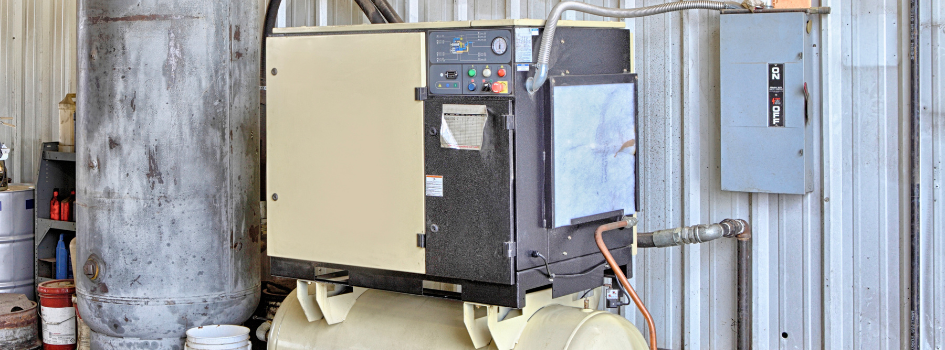
Why is My Air Compressor Not Building Pressure? Common Causes & Solutions
An air compressor that won’t reach its normal operating pressure can quickly disrupt production. Pneumatic tools lose power, control systems may not operate correctly, and equipment that depends on compressed air can slow down or stop entirely.
The first assumption is usually that something inside the compressor has failed. Sometimes that’s true, but quite often it isn’t. Air leaks, restricted airflow, worn components, faulty controls, or simply asking the compressor to supply more air than it was designed for can all prevent the system from reaching normal operating pressure.
How an Air Compressor Builds Pressure
The basic process is simple. The compressor draws in atmospheric air, compresses it, and sends it into a receiver tank or plant air system. Once the target pressure is reached, the controls unload the compressor or shut it off until pressure drops again.
If pressure never reaches the normal setpoint, something in that process isn’t working the way it should.
- The compressor cannot produce enough compressed air.
- Compressed air is escaping faster than it can be produced.
- Controls or system components are preventing pressure from building normally.
Air Leaks Throughout the Compressed Air System
One of the most common reasons an air compressor is not building pressure is excessive air leakage.
Leaks may develop in:
- Pipe connections
- Flexible hoses
- Quick-connect fittings
- Isolation valves
- Receiver tanks
- Distribution headers
One small leak usually isn’t enough to create a major pressure problem…ten or twenty leaks scattered throughout a plant are a different story. Together they can waste a significant amount of compressed air through fittings, hoses, valves, and older piping.
If the compressor runs continuously but system pressure remains low, leak testing should be one of the first inspections performed.
Restricted Air Intake
Every compressor depends on a steady supply of incoming air. Dirty intake filters, blocked air inlets, or restrictions around the compressor reduce incoming airflow. As intake volume decreases, compressor capacity also drops, making it more difficult to achieve operating pressure.
Restricted airflow may also increase operating temperatures, placing additional stress on the compressor over time.
Routine filter replacement is inexpensive compared to the lost production and energy costs associated with poor compressor performance.
A restricted intake doesn’t always cause a complete loss of pressure. In many cases, operators first notice the compressor taking longer than normal to reach its cut-out pressure.
Worn Compression Components
Like any rotating equipment, compressors wear over time. Internal clearances slowly increase, valves wear, and sealing surfaces don’t perform the way they did when the machine was new. Depending on the compressor design, wear may involve:
- Piston rings
- Intake or discharge valves
- Compression cylinders
- Rotary screw airends
- Shaft seals
As clearances increase, compressed air can leak internally instead of reaching the discharge system. The compressor may still run normally, but pressure builds more slowly or never reaches its normal setpoint. That gradual loss of performance often points to component wear rather than a sudden mechanical failure.
Pressure Control Problems
Don’t assume the compressor itself is always the problem. Sometimes the machine is capable of producing pressure, but the controls aren’t allowing it to operate correctly. Pressure switches, transmitters, sensors, unloaders, and control valves all influence how the compressor operates. If one of these components fails or falls out of calibration, the compressor may:
- Load and unload at incorrect pressures
- Fail to load when demand increases
- Shut down prematurely
- Continue running without producing the expected system pressure
Diagnosing control issues often requires electrical, instrumentation, and mechanical inspection.
Excessive Air Demand
Sometimes nothing is actually wrong with the compressor. We’ve seen facilities spend time troubleshooting a compressor only to discover the plant had gradually added enough equipment to exceed the system’s capacity. Additional production lines, pneumatic tools, packaging equipment, or process changes can increase compressed air demand beyond what the original system was designed to handle.
When demand exceeds supply, pressure drops throughout the system even though the compressor is operating normally. Reviewing recent production changes can help determine whether the system simply needs additional compressed air capacity.
When Moisture Becomes Part of the Problem
Moisture usually isn’t the reason a compressor won’t build pressure. It can, however, create other problems that eventually affect system performance. Water inside compressed air systems contributes to:
- Corrosion
- Frozen instrument air lines in cold conditions
- Sticking valves
- Contaminated pneumatic equipment
- Reduced reliability of control systems
Proper air drying helps protect both the compressor and downstream equipment. Industrial desiccant and refrigerated air dryers remove moisture before it causes operational problems and improve the reliability of compressed air systems.
Don’t Overlook Routine Maintenance
When someone asks, “Why is my air compressor not building pressure?” it’s worth looking at the maintenance history before assuming the worst.
- Air filters
- Oil levels and condition
- Belts and couplings
- Separator elements
- Drain systems
- Pressure relief devices
- Leak inspections
- Instrument calibration
Preventive maintenance cannot eliminate every equipment failure, but it can reduce many of the conditions that gradually lower compressor performance.
What to Check Before Assuming the Compressor Has Failed
If you’re searching for how to fix an air compressor that’s not building pressure, resist the temptation to immediately replace parts. Many pressure problems can be narrowed down with a systematic inspection before the compressor is disassembled.
A good place to start is:
- Verify the pressure gauges and control settings.
- Walk the system and listen for obvious air leaks.
- Inspect the intake filter and air inlet.
- Check whether new equipment has increased air demand.
- Review recent maintenance records and alarm history.
- If those checks don’t identify the problem, inspect internal compressor components or bring in a qualified service provider.
Contact NiGen for Industrial Compressed Air Support
When an industrial air compressor is not building pressure, lost production can become far more expensive than the repair itself. NiGen provides industrial air compressor rentals, desiccant air dryers, and compressed air equipment for planned maintenance, emergency outages, plant turnarounds, and temporary capacity requirements. If your compressor isn’t building pressure and production can’t wait, our team can help keep your operation running while the underlying issue is being addressed.
Contact NiGen today to request a quote for temporary air compressor and air dryer equipment.