

Desiccant Air Dryer: How It Works + System Types Explained
A desiccant air dryer is used when compressed air needs to reach very low moisture levels that standard dryers cannot achieve. These systems are common in oil and gas, chemical processing, and instrument air applications where moisture can cause damage or failure.
If moisture is not removed, it can impact product quality, damage equipment, and cause corrosion inside compressed air systems.
To buy an industrial air dryer or get a quote on a desiccant dryer rental, contact our team today!
What is a Desiccant Air Dryer?
A desiccant dryer or an adsorption dryer is a piece of industrial equipment that uses desiccant materials to eliminate water from the air channeled through it. A standard desiccant dryer system uses a two-tower setup to ensure a continuous air-drying cycle.
How a Desiccant Air Dryer Works
Desiccant Air Dryer Working Principle:
- Compressed air enters the drying tower
- Desiccant adsorbs moisture from the compressed air stream
- Dry air exits at a low dew point
- A second tower regenerates the saturated desiccant
- Towers switch automatically to maintain continuous operation
This continuous switching is what allows a desiccant air dryer system to supply dry air without interruption.
Twin Tower & Regenerative Operation
Most systems use a twin tower design. One tower dries the air while the other is being regenerated.
The term “regenerative” refers to the process of removing moisture from the desiccant so it can be reused. Once one tower becomes saturated, the system switches and the second tower takes over drying.
What is a Desiccant Air Dryer System?
A complete desiccant air dryer system includes:
- Twin drying towers (drying and regeneration)
- Desiccant media
- Switching valves
- A controller or timing system
- Purge air or heaters (depending on air dryer type)
These systems are typically installed downstream of an air compressor and upstream of critical equipment.
Desiccant vs. Refrigerated Air Dryer
| Feature | Desiccant Air Dryer | Refrigerated Air Dryer |
| Dew Point | –40°F to –100°F | ~35°F |
| Use Case | Instrument air, cold environments, critical processes | General plant air |
| Operating Cost | Higher (purge air or heating required) | Lower |
| Maintenance | More components (valves, desiccant) | Simpler system |
| Typical Industries | Oil & gas, chemical, pharma | Manufacturing, general industrial |
Types of Desiccant Air Dryers
Heatless desiccant dryers use a portion of dry compressed air to regenerate the desiccant. Lower upfront cost, but uses purge air.
Heated desiccant dryers use internal or external heaters to regenerate the desiccant. Reduces purge air loss but increases energy use.
Rotary drum / blower purge systems use continuous rotation or external blowers to handle regeneration. Typically used in larger systems.
How Desiccant Regeneration Works
Regenerating desiccant material means removing the moisture it has absorbed during operation.
- Hot air regeneration uses heated air to dry the desiccant
- Dry air purge uses a portion of dried compressed air
- Special systems may use rotating drums or continuous cycles
What Are Desiccants?
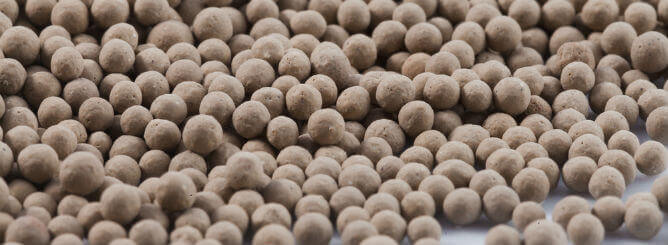
Desiccant refers to a substance that removes moisture from its surroundings. These materials are selected for their ability to adsorb water vapor at low dew points.
Common types of desiccants:
- Silica – A commonly used desiccant made from silicon dioxide, known for its high adsorption capacity and versatility.
- Activated charcoal – Known for its porous structure, activated charcoal is used to adsorb moisture and impurities.
- Calcium chloride – An effective desiccant, calcium chloride is often used in the form of moisture-absorbing pellets or bags.
- Calcium sulfate – This desiccant is used to control humidity and is often found in various industries.
- Aluminosilicate minerals (zeolites) – Microporous minerals with a high surface area, zeolites can adsorb water and other molecules.
Common Applications of Desiccant Air Dryers
In industries using compressed air, desiccant air dryers are widely employed. For instance, the oil and gas industry relies on compressed air for various operations, such as oil recovery, refining, and transportation. The equipment used in these processes is often at risk of damage from moisture.
The use of a desiccant air-drying system prevents the rapid wear and breakdown of moisture-sensitive components in most industries.
Where to Buy Desiccant Air Drying Systems
Not every air-drying system is a perfect fit for your specific needs. Before investing in an instrument air dryer for your industrial process, consult with experts who have in-depth knowledge of air-drying solutions. With decades of experience, NiGen specializes in manufacturing compressed air dryers tailored for various industrial applications.
Discover NiGen’s Industrial Air Dryer Systems
For over 20 years, NiGen has built a strong reputation for offering the best and most affordable solutions for drying compressed air. Our high-quality desiccant dryers, suitable for various industrial processes, are also available for rent.
Contact a specialist today to learn more about our products and services.