

Marine Nitrogen Generators: Applications for Oil and Gas Ships, Tankers & Offshore Vessels
Offshore projects don’t always have the luxury of immediate resupply. When nitrogen is needed for maintenance, testing, or inerting, crews often need a dependable source that’s already on board. That’s one reason marine nitrogen generators have become common on oil and gas ships, tankers, offshore platforms, and support vessels.
Why Offshore Operations Depend on Nitrogen
Nitrogen supports many routine activities throughout the life of an offshore asset. During construction and commissioning, it may be used to purge and pressure test piping systems before they are placed into service. During normal operations, it supports maintenance, equipment preservation, and process isolation. Before repairs begin, nitrogen is often introduced into piping or process equipment to displace oxygen and other gases so work can be performed under controlled conditions.
Offshore operations rely on nitrogen because it can be used across many maintenance and process activities without introducing a reactive gas into the system. Having nitrogen available on board also gives crews more flexibility as projects move between offshore locations.
Common Marine Nitrogen Generator Applications
Nitrogen is used across many types of offshore vessels, but the day-to-day applications vary depending on the work being performed. A tanker transporting crude oil has different operating requirements than a drillship supporting well intervention or an offshore construction vessel preparing new piping systems for service.
Oil and Gas Ships
Oil and gas support vessels frequently perform maintenance, inspection, commissioning, and repair work. Many of these activities require piping systems or process equipment to be purged, pressure tested, or dried before they can be returned to service.
Common applications include:
- Nitrogen purging
- Pneumatic pressure testing
- Pipeline drying after hydrotesting
- Leak testing
- Equipment preservation during shutdowns
Having a nitrogen generator on board means crews don’t have to wait for replacement cylinders, which can be difficult to coordinate for vessels working far from shore.
Tankers
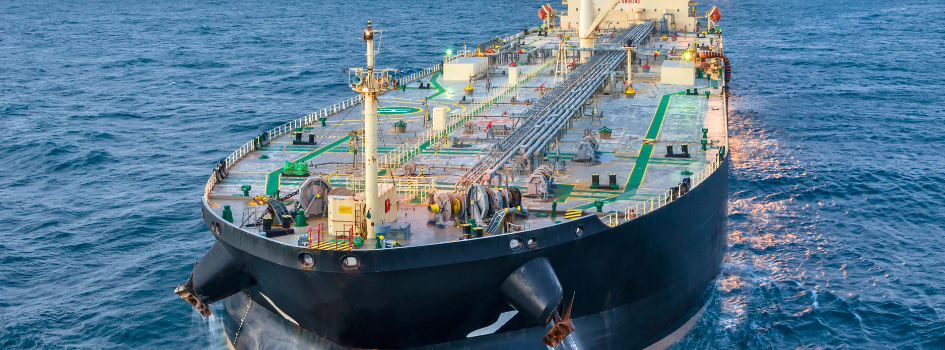
Tankers use nitrogen primarily to maintain inert conditions inside cargo tanks and associated piping systems. By reducing the oxygen concentration within the vapor space, operators can lower the risk of combustion when transporting flammable cargoes.
Nitrogen may also be used during cargo transfers, tank cleaning, line purging, and maintenance activities. Because these operations occur throughout a vessel’s service life, many tanker operators rely on onboard nitrogen generation instead of replenishing stored gas at each port.
Offshore Platforms, FPSOs, Drillships, and Support Vessels
Fixed and floating offshore facilities often require nitrogen throughout both routine operations and planned shutdowns. Maintenance teams may use nitrogen while isolating process equipment, commissioning new piping, drying systems after hydrostatic testing, or preparing equipment for inspection.
Drillships, FPSOs, and offshore support vessels also perform work in locations where replacement gas supplies may not be readily available. Producing nitrogen on demand gives operators greater flexibility as project schedules change and maintenance requirements evolve.
Marine Nitrogen Generator Requirements
The right marine nitrogen generator depends on the application. A vessel performing occasional pressure testing won’t have the same nitrogen demand as an FPSO or offshore support vessel using nitrogen throughout a maintenance campaign. Before selecting a system, it’s worth defining how much nitrogen is needed, what purity is required, and how the generator will be used.
Most marine nitrogen generators use membrane technology because it provides continuous nitrogen production in a compact package with relatively few moving parts. The required purity and flow rate should still be matched to the application rather than selecting the highest available specification.
Most Important Factors:
- Nitrogen purity: Higher purity nitrogen is not always better. The required purity depends on the application, so the generator should be selected based on the job rather than simply choosing the highest specification available.
- Flow rate: The generator has to produce enough nitrogen for the largest expected demand. If multiple operations may use nitrogen at the same time, that should be considered during sizing.
- Operating pressure: Some applications require higher delivery pressures than others. In some cases, a nitrogen booster may also be needed to reach the required pressure. It’s generally easier to account for this during system design than after the equipment has been installed.
- Compressed air supply: Marine nitrogen generators rely on compressed air, so the available air system has to provide enough flow and pressure. Air quality also plays a role. Moisture and contaminants can reduce membrane performance over time.
- Installation space: Deck space is always limited. The generator should fit within the available footprint while still allowing access for routine inspections and maintenance.
- Operating environment: Salt air, vibration, weather exposure, and continuous operation all place additional demands on offshore equipment. Those conditions should be considered when selecting a marine nitrogen generation system.
Talk to NiGen About Your Marine Nitrogen Requirements
Every offshore operation has different nitrogen requirements. The required flow rate, purity, pressure, and equipment configuration depend on the vessel, the application, and how the system will be used. NiGen designs and manufactures nitrogen generation systems for offshore, oil and gas, and other industrial applications. We offer containerized and skid-mounted nitrogen systems, along with rental equipment for projects that require a temporary nitrogen supply. If you’re planning an offshore project or evaluating a marine nitrogen generator, our team can help determine the right system for your application.
Contact NiGen to learn more or request a quote!