

On-Site Nitrogen Generators for Chemical Manufacturing Plants: What You Need to Know
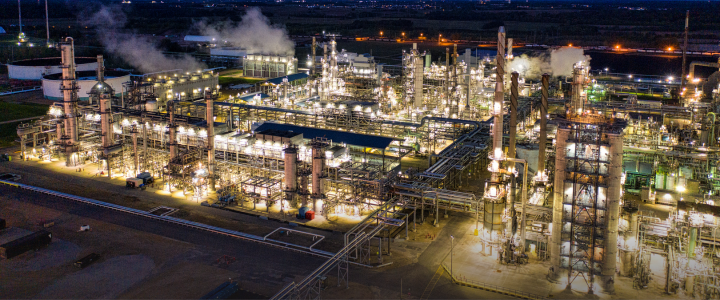
In chemical processing, nitrogen is used anywhere oxygen or moisture can cause problems. It ties directly into safety, product quality, and uptime. Many facilities are moving to nitrogen generators for chemical manufacturing so they are not dependent on deliveries and can keep a steady supply on site.
You will see nitrogen used in a few main places:
- Reactor inerting to control oxygen during startup and operation
- Tank blanketing to keep oxygen and moisture out of storage vessels
- Purging to clear lines and equipment during changeovers or maintenance
- Sparging to remove dissolved oxygen from liquids
All of these depend on stable pressure and consistent purity. If supply drops or purity drifts, the process will show it…sometimes immediately.
Purity Optimization and the Cost of Over-Specification
A common issue with on-site systems is running higher purity than the process actually needs.
For example, producing 99.9% nitrogen for a process that only needs 97% increases compressed air demand by around 25 to 30%. That extra air has to come from somewhere. Usually it means more compressor load and higher energy use.
Over time, this adds up in operating cost and can also limit how much nitrogen the system can produce during peak demand.
A nitrogen generator for chemical manufacturing should be set up based on the actual requirement of the process, not a higher number just to be safe. That is where a lot of inefficiency comes from.
PSA vs. Membrane Technology: Application-Based Selection
There are two main types of systems used in chemical plants: PSA and membrane. The choice depends on how pure the nitrogen needs to be and how the system will run day to day.
Pressure Swing Adsorption (PSA)
- Best for: High-purity applications (99.9% to 99.999%)
- Use case: Oxygen-sensitive reactions, specialty chemicals, catalyst protection
- Consideration: Needs clean and dry air. Pre-filtration matters here
PSA is usually selected when oxygen content cannot vary much. If it does, the process can be affected pretty quickly.
Membrane Nitrogen Generators
- Best for: Blanketing, purging, drying (95% to 99.5%)
- Use case: Continuous applications where very high purity is not required
- Consideration: Simpler system with less maintenance
Membrane systems are easier to run and take up less space. They are used a lot where the application is more forgiving on purity.
Choosing between different nitrogen generators for chemical industry applications comes down to purity, flow demand, and how the system is used in the plant. Getting that wrong usually shows up later as either cost or performance issues.
Where Nitrogen Systems Fail in Chemical Plants
Most problems are not caused by the generator itself. Rather they come from air quality, sizing, or how the system was put together.
Carbon Molecular Sieve (CMS) Contamination
PSA systems depend on clean feed air. If hydrocarbons or vapors get into the system, they can damage the adsorbent material. Once that happens, purity drops and it does not recover. This is usually a replacement situation.
Pressure Instability During High-Demand Events
During purge events, demand can spike for a short period. If the receiver is too small, pressure drops across the system.
You may see valves not responding properly or parts of the process slowing down. This tends to happen during startup or transitions.
Moisture-Related Membrane Damage
Membrane systems need dry air. If the dew point is not kept below ambient, moisture can condense inside the fibers. Over time, this reduces performance and can damage the membrane. Once that happens, output starts to drop and consistency becomes an issue.
How to Size Nitrogen Generators for Chemical Manufacturing Applications
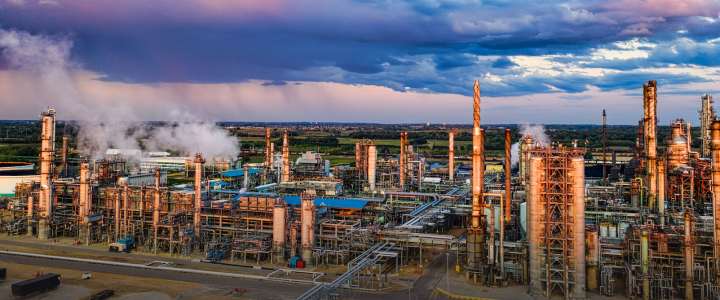
Sizing a nitrogen generator for chemical manufacturing should be based on actual operating conditions, not averages.
Peak and Instantaneous Demand
Processes like purging or pressure testing create short bursts of high demand. The system needs to handle those without pressure loss, and if it cannot, you will see instability during operation.
Purity by Application
Each application has its own requirement. For example higher purity increases cost and air demand, and lower purity can create safety or quality problems. Just know that getting this right upfront avoids a lot of issues later.
Air Supply Capacity
Nitrogen output depends on compressed air. If air supply is limited, nitrogen production will be limited too. (This is often overlooked during system design.)
Expansion Planning
Facilities change over time, and systems should allow for increased capacity without requiring full replacement.
Air Quality and System Integration
Nitrogen generators depend on the quality of the incoming air. Air quality directly affects how nitrogen generators for chemical manufacturing systems perform. If the air is not properly treated, performance drops and maintenance increases.
Key points to check:
- Moisture removal to prevent condensation
- Oil and particulate filtration to protect internal components
- Dew point control for drying and sensitive processes
- Compatibility with existing compressors and dryers
If something is off here, it usually shows up quickly as unstable output or more frequent service issues.
The Nitrogen Reliability Audit
This is a basic check to see if the system is set up correctly.
Feed Air and Protection
- Does feed air meet ISO 8573-1 Class 1.4.1 standards?
- Is there an activated carbon stage upstream?
- Is dew point kept below ambient?
Sizing and Demand Handling
- Is receiver volume enough for purge demand?
- Is purity matched to the process?
- Can the system handle increased demand later?
Monitoring and Control
- Are oxygen analyzers stable?
- Is off-spec gas diverted?
- Is the system tied into plant controls?
- Is there backup supply?
If a few of these answers are no, that is usually where problems start.
Get a Reliable Nitrogen Solution for Your Facility with NiGen
If your operation depends on nitrogen, on-site generation gives you control over supply and consistency. NiGen designs and supplies nitrogen generators for chemical manufacturing and chemical industry applications based on how plants actually operate. We offer both nitrogen generators for rent or permanent installation.
Contact NiGen today to discuss your application and request a quote.