
Desiccant Air Dryer: How It Works + System Types Explained

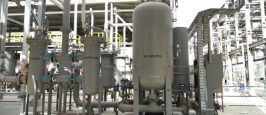
A desiccant air dryer is used when compressed air needs to reach very low moisture levels that standard dryers cannot achieve. These systems are common in oil and gas, chemical processing, and instrument air applications where moisture can cause damage or failure. If moisture is not removed, it can impact product quality, damage equipment, and […]

Types of Compressed Air Dryers (How to Choose the Right One)

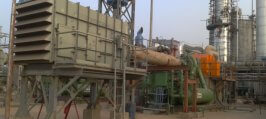
Different types of compressed air dryers are used across manufacturing, chemical processing, pharmaceuticals, oil and gas, and food production. They are a standard part of any air compressor dryer setup. In these environments, moisture in compressed air causes corrosion, frozen lines, product contamination, and instrument failure. Most systems do not fail because they lack a […]

Air Compressor Failure & Common Problems: Causes, Prevention, Emergency Solutions

Industrial air compressors tend to fail in predictable ways. Most air compressor problems trace back to heat, contamination, or neglect. This guide breaks down common air compressor issues and how to avoid full air compressor failure. Why Air Compressors Fail Most Common Problems How to Prevent Failure What to do in an Emergency What Causes […]

Pipeline Drying and Pipeline Dewatering After Hydrotesting

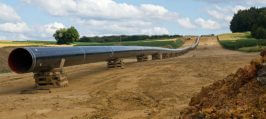
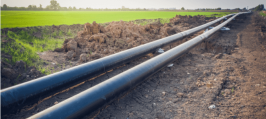
Pipeline construction and pipeline repairs are major projects that require detailed steps before a pipeline can be put into service. One step that can be overlooked until late in the project is pipeline drying. Why is this process so important and what options are available for effective pipeline drying? This article will outline effective measures […]

Compressed Air Dew Point & Pressure Dew Point: Measurement, Sensors, & Nitrogen Applications

Compressed air systems are frequently used across industrial manufacturing processes for cooling, heat generation, equipment maintenance, and power tool operation. During the production of compressed air, an unavoidable by-product is water vapor which condenses onto the air compressor system or attached process components. While a little moisture within a compressed air system is to be […]

How to Improve Air Compressor Efficiency & Lower Energy Costs

Compressed air is one of the more expensive utilities in an industrial facility…and it is also one of the easiest to waste. Many operators spend time comparing brands or motor size, but most air compressor efficiency problems come from how the system is applied and maintained. In this guide, we walk through practical ways to […]

Atmospheric Vent Silencers for Reducing Pipeline Noise

Noise pollution from industrial activities is a major concern for operators and environmental regulatory agencies alike. In the U.S., environmental regulatory agencies such as OSHA specify a maximum emitted decibel level to be maintained during industrial processes to prevent noise-induced hearing loss. Thus, management must take active steps to reduce the noise levels at their […]

Pipeline Maintenance Planning: Steps for Safe Purging & Inerting

Pipeline maintenance planning often gets simplified into a checklist. But in practice, purging and inerting work only when the planning is thorough and the execution matches the design assumptions. This is true across oil and gas pipeline maintenance programs. Why Purging and Inerting Exist in Pipeline Maintenance Pipelines carry hydrocarbons, oxygen, moisture, and contaminants at […]

Industrial Guide: What Size Air Compressor Do I Need?

In practice, air compressor sizing comes down to air demand, pressure requirements, duty cycle, and how forgiving the system is when real world conditions show up. This guide walks through how to size an industrial air compressor correctly, answering the practical question most operators ask first, what size air compressor do I need,  with the assumptions […]